

The Challenge of Log Management
Organizations face a significant challenge: managing and interpreting the vast quantities of data generated by security systems. Daily, these systems scan digital landscapes and produce overwhelming numbers of log files. Reviewing each one manually is comparable to "locating a single runaway needle in a massive digital haystack".
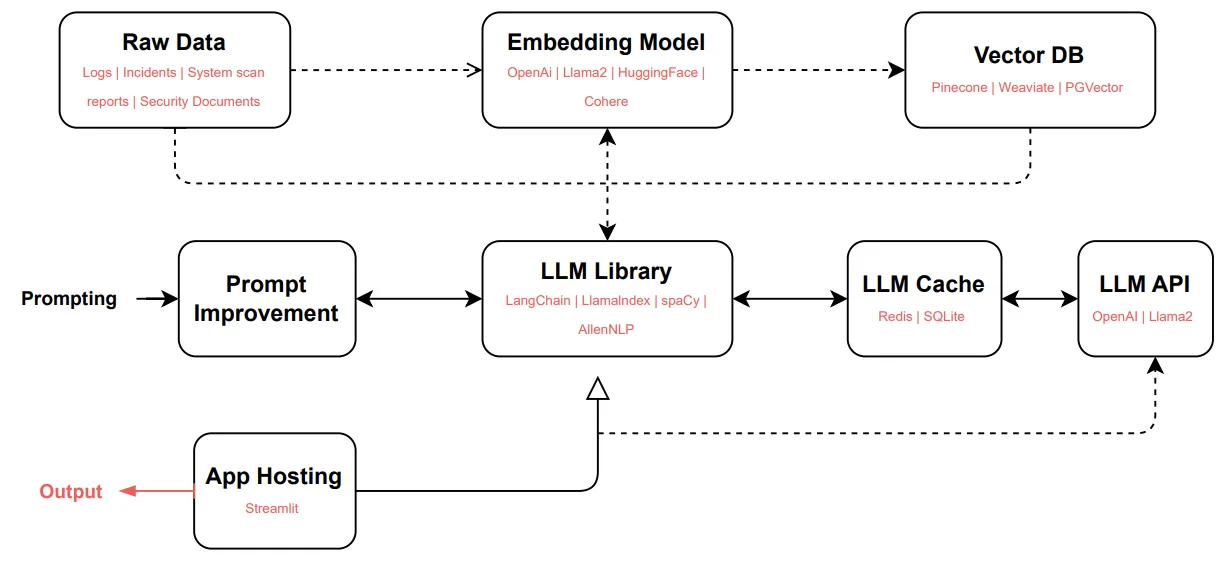
The challenge has several dimensions. Volume: a mountain of logs, with thousands of new reports arriving daily. Complexity: logs contain intricate technical detail that reads as a cryptic puzzle without specialist expertise. Delay: threats must be processed swiftly, because slow interpretation means missed opportunities to preempt attacks before irreversible damage.

Why Reasoning Matters
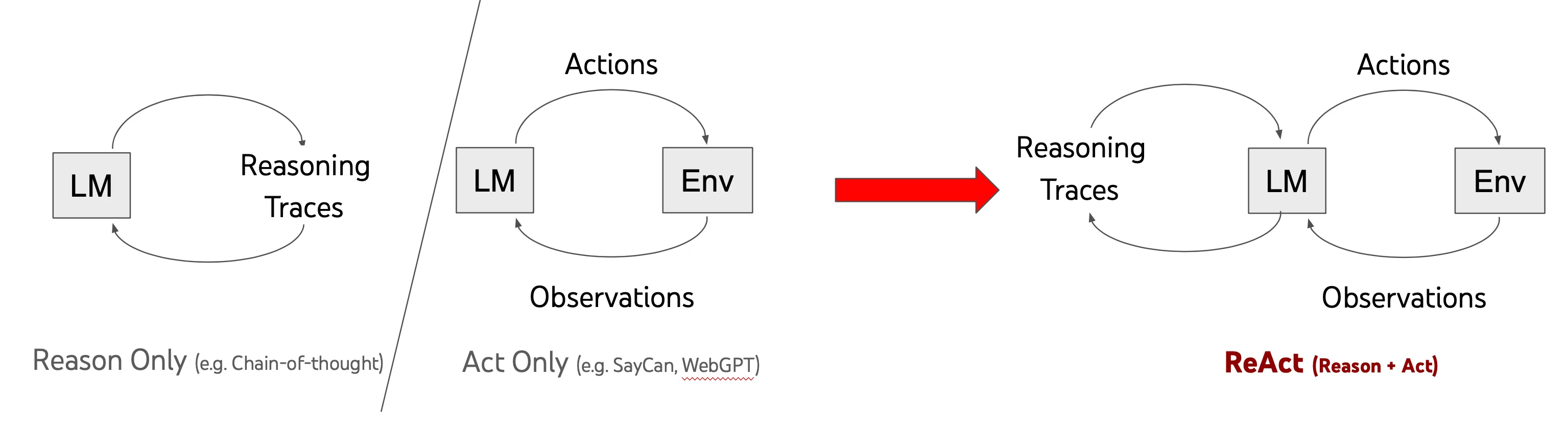
Artificial Intelligence, specifically its capacity to reason, addresses this challenge. Reasoning ensures decisions rest on correct log interpretations, like a skilled librarian who not only finds the right book but explains why it matters. For less experienced analysts, the AI's explanations act pedagogically, building competence over time. And when a system explains its rationale, trust develops, people more readily trust decisions they understand.

AI as a Solution: LLMs and NLP
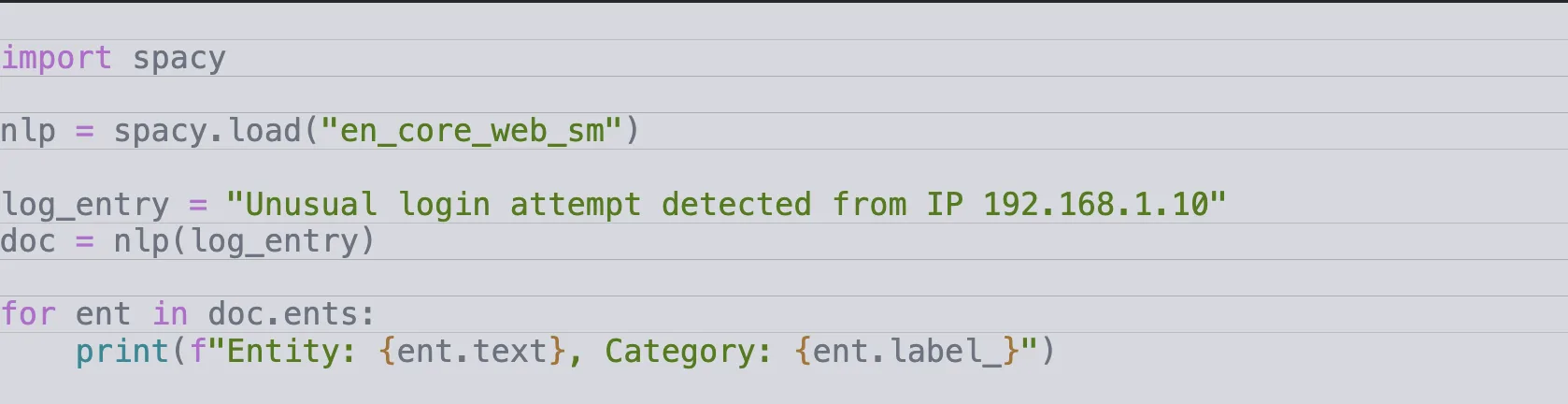
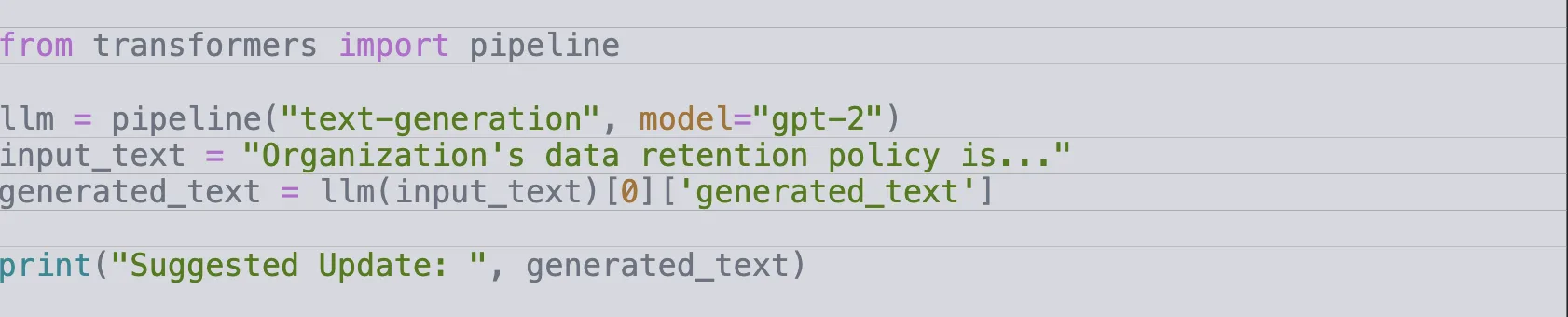
Natural Language Processing enables AI to swiftly and accurately read, interpret and categorize logs, pinpointing critical information in a sea of data. Large Language Models help maintain up-to-date security documentation; an LLM trained on cybersecurity standards can compare a policy paragraph against current guidance such as GDPR and suggest updates. AI also improves team communication by summarizing complex log data into accessible reports.

Predictive analytics is another domain where AI excels: by analysing historical patterns, it can forecast potential incidents and alert organizations to future risk. Used this way, AI extends beyond data management to strengthen the entire security posture, streamlining operations and fostering a proactive approach to threats.


Wrapping It Up: AI as a Cybersecurity Assistant
AI functions as a "genius mind" for the enormous data volumes that security systems collect, filtering noise and surfacing what needs attention. It detects anomalies while explaining their potential impact, acting as a super-smart assistant that simplifies the analyst's job rather than replacing it. The takeaway: AI helps us navigate the mountains of data and establish a new narrative for cybersecurity, one where we are all a bit safer from digital threats.